What the Tea Table Knows: Perimenopause Lessons From Ataşehir’s Older Women

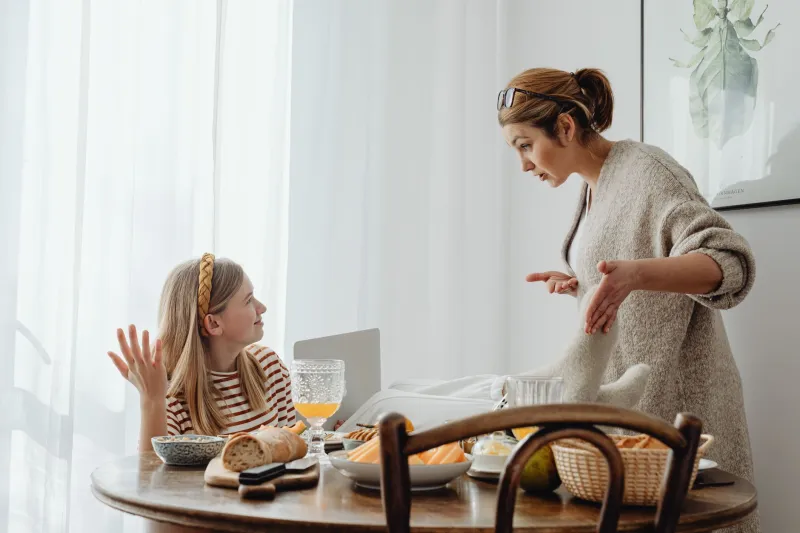
The tea glasses are small, the saucers are chipped, and the conversation has already moved past the weather. A woman in her sixties is describing a hot flash that woke her at three in the morning. Another woman, twenty years younger, nods and asks what helped. No one lowers their voice. No one changes the subject.
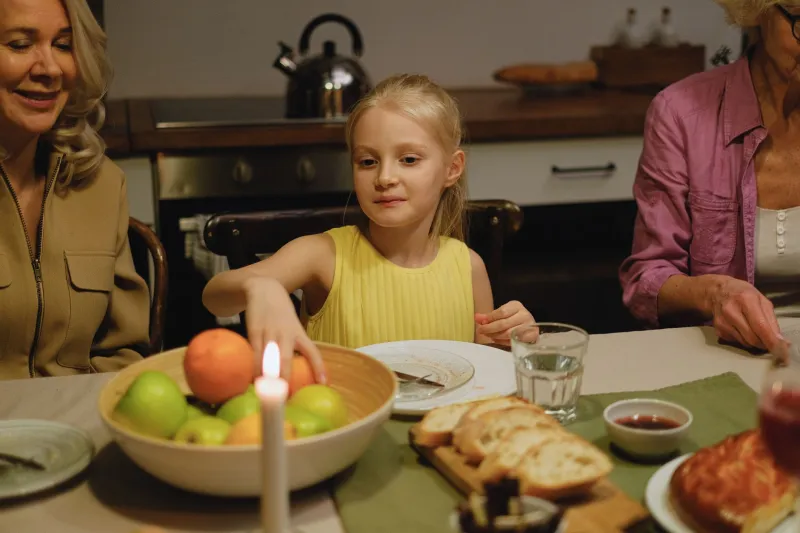
In Ataşehir, this is not a special occasion. It is an ordinary afternoon in a living room where mothers, aunts, daughters, and neighbors drink tea and talk about bodies. And it is exactly the kind of conversation many American women say they are missing.
The Tea Table as a Health Resource
Perimenopause — the years before menopause when hormone levels begin to shift — can bring hot flashes, disrupted sleep, mood changes, irregular periods, and a complicated relationship with body confidence. In the United States, those symptoms are often discussed in whispers, if at all. Women report not knowing whether what they are feeling is normal. They report feeling dismissed. They report not wanting to complain.
The tea table does something different. It treats perimenopause as a stage of life rather than a personal failure. The older women in the room have already been through it. The younger women are watching and learning. Information moves sideways and downward — not from a pamphlet, but from a person who remembers.
Nurten, 62, says she talked about her own hot flashes with her daughter long before her daughter reached her forties. 'I did not want her to think she was sick,' she says. 'I wanted her to think, okay, this is normal, and here is what I did.'
What They Actually Talk About
The conversations are practical. They cover the small, specific things that make a difference:
- Sleep. Women compare notes on layered bedding, cooler rooms, and the difference between waking once and waking four times.
- Hot flashes. They talk about fans, breathable fabrics, and the awkwardness of a flush during a work meeting.
- Mood. They name irritability and sadness without turning them into a moral failing. 'Some days I am not myself,' one woman says. 'The next day I am.'
- Body confidence. They talk about weight shifts, changing skin, and the strange grief of a body that no longer feels predictable.
- Doctor visits. They compare which questions they asked, which tests were ordered, and which symptoms they had to bring up twice to be heard.
The tone is low-drama. There is humor, but not mockery. There is advice, but not a prescription. The message is consistent: this is a season, not a verdict.
Why the Casual Tone Matters
American culture has a habit of treating menopause as a punchline or a private problem. The tea table does neither. It makes perimenopause ordinary enough to discuss and serious enough to address.
That balance is worth borrowing. A woman who knows her mother had hot flashes is less likely to panic when she has her first one. A woman who has heard an aunt describe insomnia is more likely to mention it to her doctor. Normalization is not the same as ignoring symptoms. It is the first step toward getting help without shame.
Bringing It Home: Scripts for US Families
You do not need a Turkish living room to replicate the tea table. You need a few ordinary questions and a willingness to listen without fixing.
Ask an older woman what she remembers. Try: 'What was perimenopause like for you?' or 'What do you wish someone had told you?' Keep it simple. Let her answers be her own.
Start with sleep and temperature. Those are concrete entry points. 'Did you have trouble sleeping?' is easier to answer than 'How is your menopause going?'
Use a group text. If a family conversation feels too direct, start a thread. Share an article. Ask a question. The low-pressure format gives everyone time to think.
Do not make it a lecture. The tea table works because it is conversational, not clinical. Ask more than you tell.
Offer to go to the doctor together. Sometimes the most useful thing you can do is sit in the waiting room with someone and help her ask the question she has been embarrassed to ask.
What Not to Borrow
There is one part of the tea table culture that American women should leave at the table: the idea that you must simply endure. Candor is not the same as stoicism. Hot flashes that disrupt your life, sleep that does not recover, and mood changes that feel unmanageable deserve medical attention, not just a stronger cup of tea.
The older women in Ataşehir are often the first to say this. They know the difference between a normal symptom and a reason to see a doctor. They will tell a younger woman to go. That is part of the conversation too.
A Small Invitation
The next time you sit with a mother, an aunt, a neighbor, or a friend, ask one ordinary question about her body and her life. Do not lower your voice. Do not change the subject. Let the tea get cold.
The tea table does not have all the answers. What it has is a habit: women talking to women, across generations, without drama. That habit is portable. It fits in a kitchen, a phone call, a group chat, or a living room in any city. Perimenopause is not a secret. It is a season. The least we can do is talk about it.