The Body Talk We Model: Five Lessons From Ataşehir Mothers
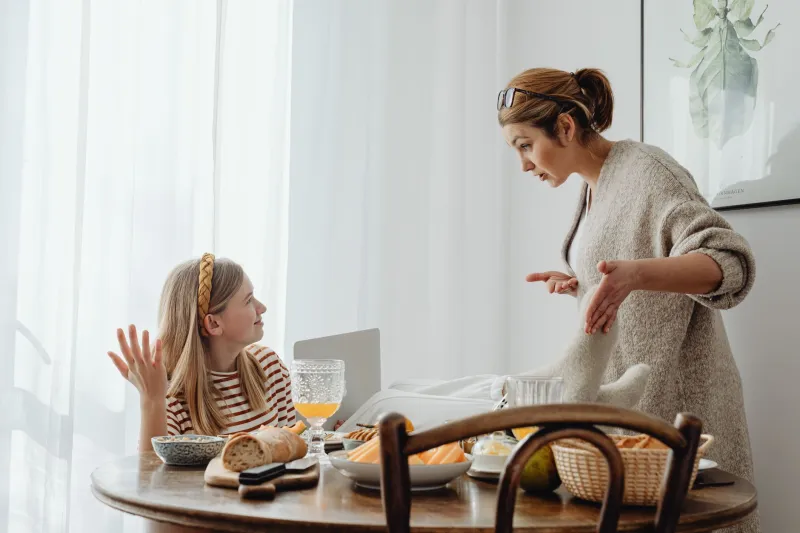
On a weekday afternoon near a school in Ataşehir, I listened to three mothers compare notes about their daughters. One girl had announced she was giving up bread. Another had started measuring her waist against a classmate's. A third had asked whether her arms looked big in a photo. The mothers were not panicked. They were paying attention. That is the first thing I noticed: they treated body image as a family conversation, not a private crisis.
This is not a story about Turkish mothers having all the answers. It is a story about a particular tone—warm, direct, a little protective—that American parents might borrow. Body-image research consistently finds that what children hear at home matters. Comments about weight, appearance, and food can linger longer than the meal. So can the alternative: steady messages that bodies are for living, not for decorating.
Lesson 1: Keep Food Out of the Morality Play
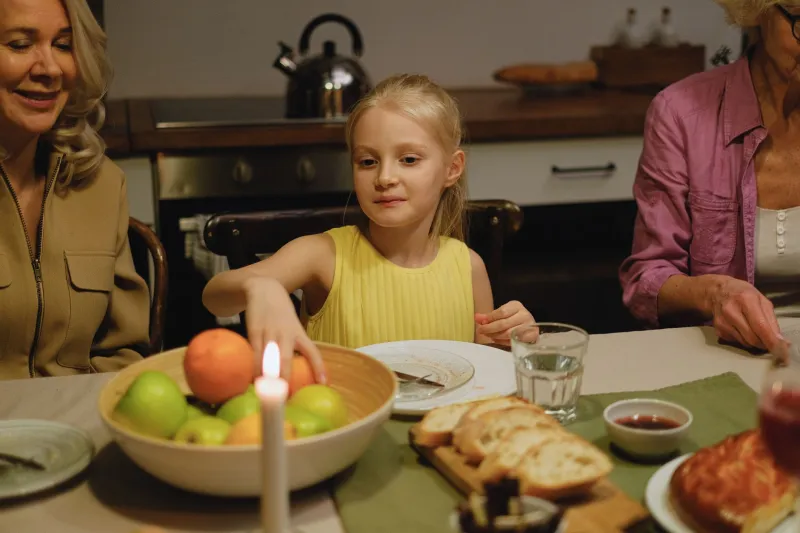
Many mothers I spoke with avoided calling foods good or bad. They talked about what food does: this lentils dish keeps you full, this yogurt helps your stomach, this dessert is for a birthday. That does not mean every meal is a nutrition lecture. It means food is not a test of character. In the U.S., where diet talk is everywhere, that shift is radical. Try saying, I want us to have protein and something colorful with dinner, instead of, We are being good tonight.
Lesson 2: Praise What a Body Can Do
One mother told me she makes a point of noticing her daughter's strength: carrying grocery bags, swimming across the pool, laughing so hard she cannot breathe. This sounds small, but research on body image suggests that focusing on function—what bodies do—can buffer against appearance pressure. Instead of you look so pretty, try you look strong today, or I saw how hard you worked in that game. Keep it specific. Girls can smell a canned compliment.
Lesson 3: Watch the Mirror Talk
Children learn how to talk about bodies by listening to adults talk about their own. A mother who sighs at her reflection in the hallway mirror is teaching a lesson, even if she does not mean to. Several Ataşehir mothers said they became more careful about self-criticism after hearing their daughters repeat it. You do not have to love every photo of yourself. You can say, I am not going to spend today picking myself apart. That is a useful sentence for a girl to overhear.
Lesson 4: Make Movement Ordinary, Not Punitive
In many Ataşehir families, movement is built into the day: walking to the market, carrying bags, climbing stairs, meeting friends in the park. It is not framed as punishment for lunch. American families can borrow that rhythm. Walk after dinner. Dance in the kitchen. Let your daughter choose an activity because it is fun, not because it burns calories. If exercise is always presented as a way to fix a body, girls learn their bodies are a problem to solve.
Lesson 5: Teach Media Literacy Early
Social media is not going away, and neither is the algorithm that feeds girls images of impossibly smooth faces and very small waists. The mothers I spoke with did not pretend otherwise. They asked questions: Who made this? What is she selling? What might have been edited out? You can do the same. Watch one video together and name the filter. Follow accounts that show different bodies, older women, athletes, and people doing things rather than posing. A girl who can critique an image is less likely to measure herself against it.
What Not to Borrow
Turkish family life is not a body-image utopia. Every culture has its own pressures, and plenty of Turkish women have stories about being told to lose weight before a wedding or to finish their plate so as not to waste food. The point is not to romanticize. The point is to notice what works: early conversation, matter-of-fact food talk, and a community that keeps an eye on its girls.
The Neighborhood Part
Ataşehir Kadın readers know that parenting does not happen in a vacuum. It happens in apartment hallways, at bus stops, in the produce aisle, and on group chats. That is good news. You do not have to raise a confident daughter alone. You can be the parent who does not comment on a girl's plate. You can be the aunt who asks what she is reading. You can be the neighbor who says, I am glad you are here, and means it.
The mothers I met are not trying to raise daughters who love their bodies every single day. That would be an impossible standard, too. They are trying to raise daughters who know their bodies are theirs—worthy of care, not constant correction. In a social-media-saturated world, that is not a small thing. It is a neighborhood project.