The Block-Sized Cure: American Women Are Rebuilding the Wellness Circle, One Neighborhood at a Time
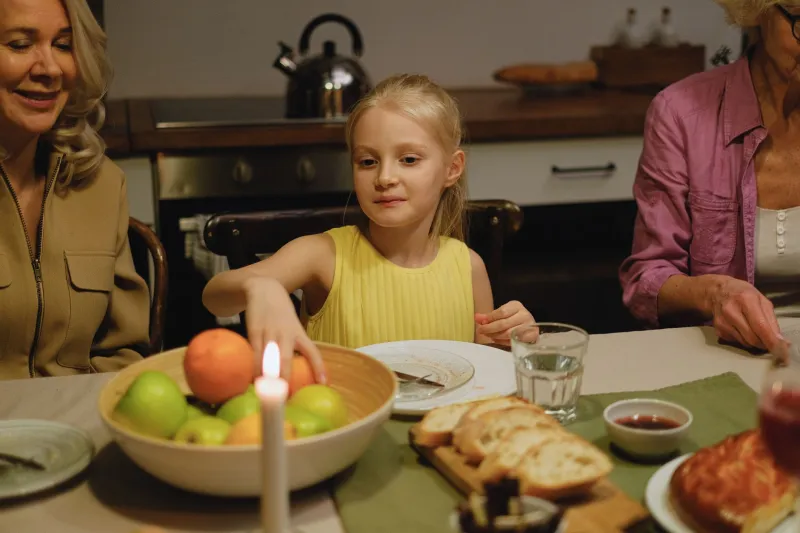
The first time Dana Whitfield hosted what she now calls “Tuesday Kitchen,” four women showed up, one brought a toddler, and everyone was gone by 8:15. She counted it as a win.
Whitfield, a 41-year-old physical therapist in a suburb west of Columbus, Ohio, had spent years watching her patients try to overhaul their health alone — a gym membership here, a meditation app there — and then quietly abandon both by February. What they seemed to need wasn't another subscription. It was people who would notice if they stopped showing up.
Her solution looks a lot like something that has been happening in a district on Istanbul's Asian side for decades.
What Ataşehir Actually Does
Ataşehir is dense, vertical, and full of apartment blocks where the elevator ride is a social obligation. Out of that architecture grew a set of habits: the door neighbor who checks in without being invited, the rotating afternoon tea that nobody has to sign up for, the unspoken ledger of favors that runs in both directions. Health in that world isn't a private project. It's something a street does together — walking to the market, sharing a pot of something, keeping an eye on the older woman on the third floor.
There's no membership card and no wellness branding. That's precisely the point.
“The model is low-effort and high-frequency,” says Selin Aydın, a community health researcher who has studied informal women's networks in Turkish cities. “A monthly meeting is a commitment. A Tuesday afternoon is just life. The frequency is what builds the trust, and trust is what makes people actually change something.”
The American Translation
When American women copy this, they almost never copy it literally. They strip it down and rebuild it around the constraints of their own lives.
In Sacramento, a school counselor named Priya Raman runs a six-woman walking group that meets at 6:15 a.m. on Wednesdays — before spouses leave for work and before kids need breakfast. No agenda, no step goals, no group chat pressure. “We walk for forty minutes and we talk about whatever,” Raman says. “The rule is you don't have to be interesting. You just have to be there.”
In Portland, Maine, a bookstore owner turned a slow Tuesday evening into a “bring your own craft” hour that draws between four and eleven women depending on the weather. In a Denver suburb, a group of mothers traded a formal babysitting co-op for something looser: whoever hosts brings the kids, everyone else brings a snack, and the adults talk in the kitchen while the children destroy the living room.
The common thread isn't exercise or diet. It's repetition, proximity, and a refusal to make it a big deal.
Three Barriers Nobody Warns You About
Scheduling is not the real problem — flexibility is. Groups that die usually die because they picked one sacred time slot and defended it. The ones that survive build in a second, lower-stakes option: a text thread walk on Saturday, a drop-in coffee, a “come if you can” standing invitation. Attendance stops being a test of loyalty.
Privacy is trickier than it looks. Health-adjacent gatherings can slide into confession, and confession in a small group has a way of traveling. Several women interviewed for this piece said they set an explicit norm in the first month: no diagnosing, no unsolicited advice, no repeating what's said in the room. One group calls it the “bring it up, don't pass it on” rule.
Childcare decides who gets to attend. The most durable groups treat kids as expected, not exceptional. That might mean a basket of toys in the corner, a host who volunteers the room with the most floor space, or a rotating teen babysitter paid from a five-dollar-a-head pool. Groups that require a sitter to be arranged and paid for independently tend to lose their mothers first.
How to Start One by Next Weekend
Keep the entry cost near zero. Text six women you actually like — not the six you think you should know — and name a specific day, time, and place. “Sometime soon” is where good intentions go to die.
Cap the first gathering at ninety minutes. Long meetings create a precedent nobody can sustain.
Rotate the host, but not the format. Predictability is what makes people comfortable enough to show up tired.
Skip the curriculum. The moment you build a syllabus around sleep hygiene or macro counting, you've created homework, and adults are notoriously bad at homework. Let information arrive sideways — someone mentions a book, someone else mentions their sister's knee surgery.
And expect a wobble around week six. That's the natural point where novelty fades and the group either becomes a habit or a memory. A short, unbothered check-in text at that moment does more than any mission statement.
What It Won't Fix
It's worth being honest here. A neighborhood circle is not therapy, and it isn't a substitute for a clinician — the 2023 U.S. Surgeon General's advisory on loneliness made the case for connection as a health factor, but connection doesn't set a broken wrist or manage thyroid medication. What these groups do well is narrower and more useful: they shorten the distance between noticing a problem and mentioning it to someone.
Why the Neighborhood Part Matters
You can now find a support group for almost anything online, and many of them are genuinely good. But a screen doesn't know that your car has been in the shop for two weeks, or that your mother's aide quit, or that you haven't eaten a real dinner since Sunday. A neighbor does.
That's the piece worth importing — not the tea glasses, not the specific rituals, but the assumption that the people within walking distance of your front door are part of your health, whether or not you've ever formally met them.
Whitfield's Tuesday Kitchen is still going. There are nine names in the thread and usually five or six bodies in the room. Nobody has lost fifteen pounds. Several of them, though, know exactly who to call when the week falls apart — and that, she says, has been the whole point all along.