A Shelf That Works Harder: Turkish Ingredients Worth Keeping Within Reach
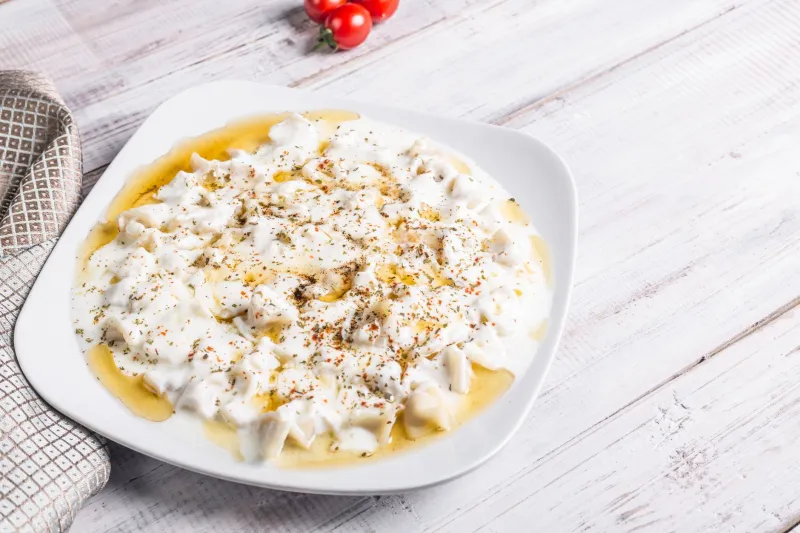
Walk through any Ataşehir pazar on a Saturday and you will see the logic behind a good pantry: tomatoes stacked like coins, bunches of parsley, a vendor scooping bulgur from a cloth sack. The neighborhood market is not a performance. It is a practical system for getting dinner on the table without drama. That is the energy I want American readers to borrow—not a full Turkish kitchen, just a shelf that works harder than it looks.
Start With a Weeknight Shelf, Not a Specialty Museum
A useful pantry is not the same as an aspirational one. You do not need imported everything. You need a handful of ingredients that can turn into breakfast, lunch, a side dish, or a packed lunch without a second trip to the store. Most of them are available in U.S. supermarkets, often for less than the price of a takeout meal.
1. Bulgur
Bulgur is cracked wheat that has been parboiled, so it cooks fast and keeps well. It brings fiber, plant protein, and a nutty chew to salads and pilafs. Fine bulgur is for tabbouleh-style salads; medium or coarse is better for pilaf and stuffing. Shopping tip: look near rice and grains or in the international aisle. Compare unit price—bagged bulgur is often a bargain. To cook, pour hot water or stock over it, cover, and let it sit.
2. Strained Yogurt
Süzme yoğurt is thick, tangy, and versatile. It can stand in for sour cream, mayo in some dips, or a sauce base. It offers protein and calcium, and live cultures make it a friendly fridge staple. In the U.S., full-fat Greek yogurt is the closest match. Check the label for milk and cultures rather than a long list of thickeners.
3. Olive Oil
Turkish cooking uses olive oil both as a cooking fat and as a finishing touch. Buy an everyday bottle for roasting and sautéing, and a smaller, better bottle for drizzling if your budget allows. Store it dark and cool. A little goes far when you add it at the end of cooking with lemon and salt.
4. Sumac
Sumac is dried, ground berries with a tart, lemony flavor. It is not just for hummus. Sprinkle it on eggs, roasted cauliflower, chicken, or a simple onion salad. It adds brightness without vinegar. Look for deep red-purple powder in the spice aisle or a Middle Eastern market. Buy small amounts; ground spices fade.
5. Pul Biber
Pul biber, often sold as Aleppo-style pepper, is a mild red pepper flake with a little fruitiness and gentle heat. It is not the same as the hot red pepper flakes on a pizza parlor table. Use it in eggs, soups, yogurt sauces, and roasted vegetables. It gives color and warmth without overwhelming a family meal.
6. Chickpeas
Canned chickpeas are a weeknight rescue. They bring fiber and plant protein to bowls, stews, and salads. Rinse them well to cut sodium. If you have time, dried chickpeas are cheaper and have a better texture, but canned is fine. Roast a tray with olive oil, sumac, and pul biber for a snack that competes with chips.
7. Tahini
Tahini is ground sesame paste. It is rich in healthy fats and can make a creamy sauce with just lemon, water, garlic, and salt. Stir the jar well before using; separation is normal. Refrigerate after opening. It works as a dressing for roasted vegetables, a drizzle for fish, or a base for a quick dip.
Three Fast Meals From One Shelf
Sumac Chickpea Bulgur Bowl
Put 1 cup fine bulgur in a heatproof bowl. Pour over 1 1/2 cups hot water or stock, cover, and let sit for 10 minutes. Fluff with a fork. Add a drained can of chickpeas, a handful of chopped parsley, 2 tablespoons olive oil, 1 teaspoon sumac, 1/2 teaspoon pul biber, and salt. Spoon into bowls and top with strained yogurt. Serves four as a light dinner.
Yogurt-Sumac Sauce for Roasted Vegetables
Mix 1 cup strained yogurt with 1 tablespoon olive oil, 1 teaspoon sumac, 1 small grated garlic clove, and a pinch of salt. Spoon over roasted carrots, cauliflower, or zucchini. This also works as a dip for pita or cucumber.
Tahini-Lemon Dressing
Whisk 1/4 cup tahini with juice of 1 lemon, 1 small grated garlic clove, 1/4 teaspoon salt, and 3 to 4 tablespoons cold water. Add water slowly until it turns creamy. Drizzle over greens, grains, or roasted chicken.
Shopping Tips for U.S. Grocery Stores
Start in the international aisle, then compare with the spice section. Sumac and pul biber are often cheaper at a Middle Eastern or Mediterranean market, but mainstream stores increasingly carry them. Buy olive oil by harvest date when possible. Choose canned chickpeas with no added salt if you can, and rinse anyway. Keep a small notebook or phone note of what you actually use; a pantry should rotate, not decorate.
The Ataşehir market culture is not about having more. It is about having the right few things within reach. Build that shelf, and weeknight dinner becomes less of a scramble and more of a rhythm.