The Grocery Route Workout: What Ataşehir’s Sidewalk Rhythm Can Teach Your Heart
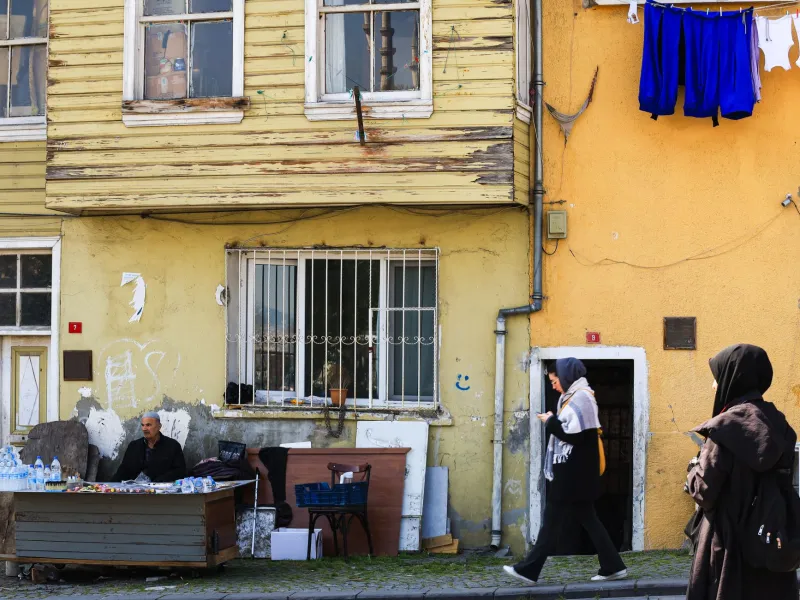
The produce cart is two blocks east. The bakery is one block north of that. The pharmacy sits on the corner where the bus stops, and the school gate is another four minutes past it. In Ataşehir, this is not a workout plan. It is Tuesday.
That ordinary rhythm — walk to the market, carry the bag home, stop for bread, cross the street to the pharmacy — is one of the quietest health habits in this neighborhood. It is also one American women can borrow without a gym membership, a fitness tracker, or a single minute of parking-lot circling.
Why the Errand Walk Counts
A brisk 15-minute walk is not a consolation prize. It is moderate-intensity movement, the kind that raises your heart rate enough that you can talk but not sing. Spread a few of those walks across the week and you are building toward the 150 minutes of moderate activity most heart-health guidelines recommend. The math is friendly: two 15-minute errand walks on five days is 150 minutes. No locker room required.
What makes the Ataşehir version work is that it is not framed as exercise. It is framed as getting dinner. The bag of tomatoes has a purpose. The loaf of bread has a deadline. The pharmacy closes at seven. Purpose is a powerful motivator on days when motivation is low.
A Sample 15-Minute Route
You do not need a Turkish market street to copy the shape of this walk. You need three ordinary stops and a little intention.
- Minutes 0–5: Easy pace to the first stop. Leave your door and walk at a comfortable speed to the nearest corner store, bakery, pharmacy, or produce stand. This is the warm-up. Do not rush it.
- Minutes 5–8: Shop standing, not scrolling. Pick up one or two items you actually need. Carry a basket instead of pushing a cart if it is manageable. Standing, reaching, and carrying are part of the movement.
- Minutes 8–13: Take the slightly longer way home. Add two blocks, a gentle incline, or a loop around a schoolyard or park. This is the brisk section — a pace that feels purposeful but not punishing.
- Minutes 13–15: Cool down at your door. Slow your pace for the last block. Set down the bag. Stretch your calves and the backs of your thighs for a few seconds each.
That is it. The route is not glamorous. It is repeatable, which is better.
Fitting It Into a US Week
American schedules are not Ataşehir schedules. Many of us drive to a single superstore, buy two weeks of groceries, and call it efficient. The errand walk still fits — it just needs a different shape.
Park at the far end of the lot. If you must drive, choose the spot that adds four minutes of walking on each side. You were going to walk anyway; now it counts.
Split the big shop. Instead of one giant trip, do one short midweek walk for fresh items — milk, fruit, bread — and save the big stock-up for the weekend. Two small walks beat one forgotten gym session.
Walk to pickup. If your child’s school or bus stop is within a half mile, park a few blocks away and walk the last stretch. Bring a friend and the conversation does the work.
Use the phone call. Take a 15-minute call with a relative while you walk to the pharmacy. You will lose track of the distance and gain the movement.
Dress for the actual weather. A rain jacket, a reflective vest in winter, and a comfortable pair of shoes matter more than a matching outfit. The errand does not cancel because of clouds.
Keep a list in your pocket. A written list gives the walk a job. Bread, lemons, toothpaste, birthday card. Four stops, fifteen minutes, done.
What Ataşehir Women Say
Elif, a 34-year-old marketing coordinator who lives near the neighborhood market, says she has never had a gym membership. 'I walk to the market almost every day,' she says. 'Sometimes it is ten minutes. Sometimes it is twenty-five because I stop and talk. I do not think of it as sport. But my mother has high blood pressure, and my doctor told me walking is the first thing. So I keep walking.'
Nurten, 58, walks to the bakery every morning and to the pharmacy twice a week. She carries her own bag and refuses to take the car for anything closer than a mile. 'When I was young, nobody in this neighborhood drove to buy bread,' she says. 'Now everyone drives. But I still walk. It is my time to look at the street.'
Zeynep, 41, started adding one extra block to her errands after a routine checkup showed her cholesterol had crept up. 'I did not join a gym,' she says. 'I joined the sidewalk. It sounds silly, but after three months my numbers were better and I was less tired. The bakery knows my order now.'
None of these women describe their routine as discipline. They describe it as convenience. That is the lesson.
Start With One Errand
The heart does not need a dramatic overhaul. It needs repetition. Choose one errand this week that is within a 15-minute walk. Walk it. Carry something back. Do it again next week.
If you want a simple rule, borrow this one: if the errand is close enough to walk, walk it. If it is not, park as if it is. The steps add up in the same quiet way they do here — between the bread and the tomatoes, between the pharmacy and home.