Before You Tap Book: The Pharmacy Counter Habit That Makes Doctor Visits More Useful
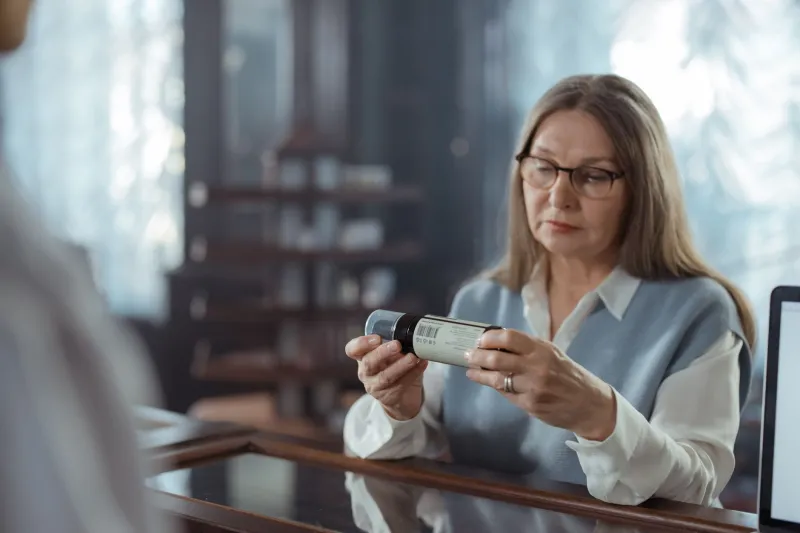
On a Thursday afternoon in Ataşehir, the neighborhood pharmacy is doing what neighborhood pharmacies do everywhere: ringing up prescriptions, answering the phone, and catching the questions women bring in between school pickup and the evening commute. In this part of Istanbul, the eczane is an everyday health stop, not a last resort. Women stop by with a list, a worry, or a half-formed question about a symptom, a supplement, or a medication that seems to be behaving differently than it did last month.
That habit is worth borrowing. Not because a pharmacist replaces a doctor, but because a short, focused counter conversation can make the appointment you eventually book more useful. For US readers, the goal isn't to turn every pharmacy visit into a medical summit. It's to use the pharmacy as a preparation point: a place to sort out what you're actually asking, what you're already taking, and whether the symptom in front of you belongs in the 'watch it' pile or the 'call today' pile.
Why the pharmacy counter becomes a first stop
In Ataşehir, pharmacies are woven into the walking rhythm of a neighborhood. Many are small, independently run, and used to regulars who ask about everything from antibiotic side effects to whether a new supplement will interact with a blood pressure pill. The conversation is often brief. That's the point. It's a check-in, not a diagnosis.
US pharmacies can play a similar role. Chain and independent pharmacists are accessible without an appointment, and many are skilled at medication reconciliation, side-effect counseling, interaction checks, and practical guidance about over-the-counter options. Scope varies by state, and no pharmacist can replace a full clinical evaluation. But the habit of asking one focused question before booking can save time, reduce confusion, and help you show up to a doctor's office with a clearer story.
The questions Ataşehir women tend to bring
The exact questions vary, but the pattern is consistent. Women tend to arrive with a specific concern and a practical bent. They want to know what to do next, not just what the symptom is called.
- 'This started three days ago. Is that long enough to wait, or should I call my doctor now?'
- 'I take two prescriptions and a supplement. Could this new over-the-counter product interact with any of them?'
- 'Is this side effect common enough to ride out, or is it a call-the-prescriber situation?'
- 'I'm breastfeeding. Is this cold medicine one I should skip?'
- 'My mother is on blood thinners. Can she take this pain reliever?'
- 'What should I write down before I call the clinic so I don't forget the details?'
Notice what these questions have in common: they're about next steps, safety, and preparation. They're not requests for a pharmacist to play doctor. That distinction matters.
What a pharmacist can—and can't—do
A pharmacist can help you understand medication instructions, flag possible interactions, explain common side effects, suggest non-drug comfort measures, and tell you when a symptom sounds urgent enough to seek same-day care. In some US states, pharmacists can prescribe certain medications under specific protocols, such as some contraceptives or treatments for minor conditions. But those rules are local and limited.
A pharmacist cannot diagnose a condition, order imaging, or replace an exam. If you have a new lump, unexplained weight loss, severe pain, or a symptom that keeps changing, the pharmacy counter is a bridge to clinical care, not a destination. In Turkey, community pharmacists are also expected to refer when a complaint needs a physician. The same common-sense boundary applies in the US.
A before-you-book checklist US women can borrow
This is the low-effort version. You don't need a binder. You need five minutes and a note on your phone.
- Write the symptom timeline. When did it start? Is it constant or intermittent? What makes it better or worse? What have you already tried?
- List everything you take. Include prescriptions, over-the-counter drugs, supplements, herbal teas, and anything you use only occasionally. Note doses if you know them.
- Bring three questions. 'What could this be?' is less useful than 'What should I track before my appointment?' and 'Which symptoms would make this urgent?'
- Ask the pharmacist one focused safety question. If you're considering a new over-the-counter product or supplement, ask about interactions with your current list.
- Use the red-flag rule. If the symptom is on the emergency list below, skip the pharmacy and seek urgent help.
- Book with a clearer ask. When you call the clinic, say what changed, how long it's been going on, and what you need: an appointment, a nurse call-back, or advice about urgent care.
Red flags that skip the checklist
This is general information, not medical advice. In the US, call 911 or go to an emergency department for chest pain or pressure, trouble breathing, signs of stroke such as face drooping or sudden weakness, fainting, severe abdominal pain, heavy bleeding, a severe allergic reaction, or a fever with a stiff neck or confusion. If you are thinking about harming yourself, call or text 988 in the US. For a baby, a pregnancy concern, or a symptom that feels suddenly worse, call your clinician or urgent care rather than waiting for a pharmacy visit.
A five-minute version for a busy week
If you're already at the pharmacy counter, keep it simple. Say: 'I take these medications and supplements. I'm thinking about this over-the-counter product. Is there an interaction I should ask my doctor about?' Then write down the answer. If you're not at the pharmacy, put the same note in your phone before you book. The habit is less about the building and more about the pause: a small, practical check-in between 'I feel off' and 'I have an appointment.'
The point is preparation, not permission
Ataşehir women don't treat the pharmacy as a substitute for medical care. They treat it as part of the neighborhood's health conversation: a place to ask, confirm, and get oriented. US women can borrow that without changing their whole routine. Keep a running medication list. Ask one safety question. Know the red flags. Then book the appointment with a better story and a shorter list of unknowns.
That's not a dramatic wellness hack. It's just a good neighborhood habit, carried across the ocean.