A Wave Before Coffee: The Balcony Check-In That Builds Neighborhood Trust
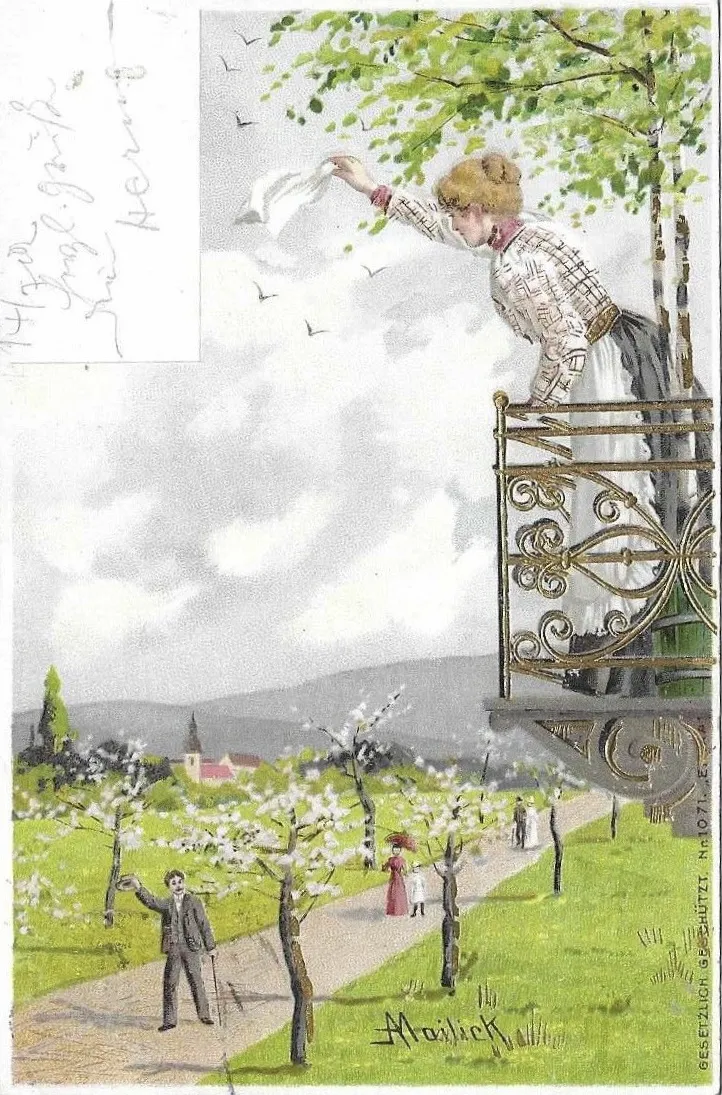
Photo: Alfred Moritz Mailick (1869—1946), Public domain, via Wikimedia Commons
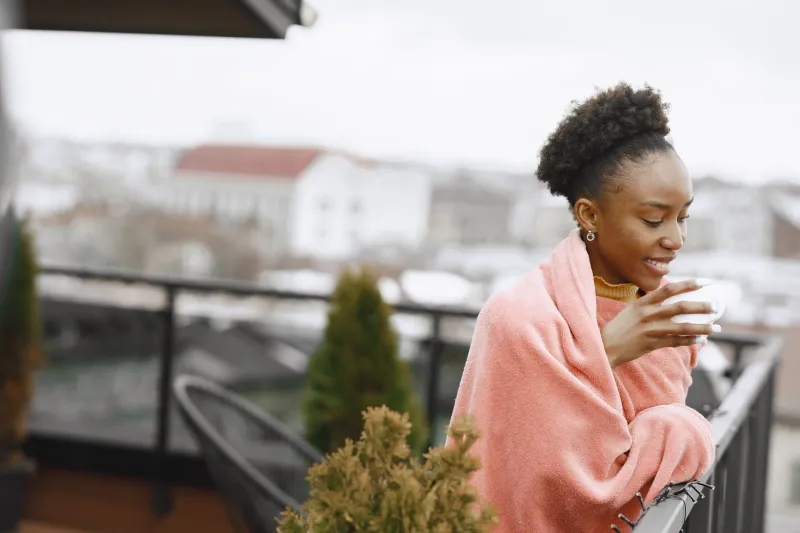
On a cool November morning in Ataşehir, before the kettles are fully awake, a familiar scene unfolds along the apartment blocks: a woman steps onto her balcony, coffee in hand, and lifts a small wave toward the building across the way. Someone returns it. A neighbor watering the last of the season’s herbs nods. Another leans out to check the weather and offers a quick “good morning.” The whole exchange takes about two minutes. Then everyone gets on with the day.
It is not a scheduled meetup. There is no group chat named “Building Friends.” Nobody is organizing a potluck. And that, neighbors say, is exactly why it works.
The two-minute ritual that asks nothing of you
The balcony wave is a tiny social check-in: you step outside, look around, acknowledge the people who share your patch of the neighborhood, and then go back inside. It is low-stakes by design. You do not have to be dressed for company. You do not have to remember anyone’s birthday. You do not have to stay and chat if you are not up for it.
In Ataşehir, where many people live in apartment buildings with shared courtyards, balconies, and stairwells, this habit has a practical rhythm. It is a way of noticing who is around without turning neighborliness into another task on the to-do list. For US readers in apartment complexes, townhouse rows, or even walkable suburban blocks, the same idea can be adapted with a front step, a shared hallway, a window-facing coffee break, or a quick pause by the mailbox.
The point is not to become best friends with everyone on your block. The point is to register each other’s presence — and to let a small amount of warmth move through the day.
Why a small hello lands harder than it looks
Loneliness among adults is not a niche issue, and it is not solved by one grand gesture. Public-health researchers often describe social connection as something built through repeated, low-pressure contact: the same faces, the same small acknowledgments, the same sense that someone would notice if you were not around. A wave from a balcony fits that description almost perfectly.
It also gives neighbors a gentle way to read the room. A person who waves back brightly may be open to a longer chat later. A person who nods but stays quiet may simply be having a busy morning. Over time, those tiny signals build a kind of neighborhood trust — the feeling that the people nearby are not strangers, even if you do not know their full names.
For mood, the effect can be surprisingly grounding. Many women describe the morning wave as a transition ritual: a moment of contact with the outside world before the inbox opens, the school run begins, or the caregiving shift starts. It is not therapy, and it is not a substitute for professional support. But it is a small, repeatable reminder that you are part of a place.
The wave window: a simple framework
If you want to try this in your own building or block, think of it as a “wave window” rather than a social obligation. Pick a short, repeatable slice of time — five minutes at most — when you are likely to be near a window, balcony, front door, or shared outdoor space. Morning coffee and early evening are common choices because they match the natural rhythm of comings and goings.
Here is a simple framework:
- Choose one spot and one time. A balcony at 7:30 a.m. A front step after the mail arrives. A kitchen window while the pasta water boils. Keep it easy enough to repeat.
- Look before you scroll. Step out or look up for a minute before reaching for your phone. Notice who is around without staring or waiting for a conversation.
- Wave once, lightly. A small hand lift, a nod, a smile. That is enough. You are not flagging down a rescue boat.
- Keep it short. Two minutes is plenty. The habit works because it does not compete with the rest of your day.
- Do not keep score. Some days three people wave back. Some days nobody does. Both are normal. The habit is the point, not the response.
For US apartment and townhouse life
In the US, the balcony wave may need a small translation. If you live in a large apartment complex, try the same idea from a patio, a dog-walking route, or the shared laundry room. If you live in a townhouse row, a front-step pause can work. If your neighborhood is more spread out, a wave from the driveway or a quick hello at the mailbox may be the closest equivalent.
The key is to keep it casual. This is not a campaign to “bring back the block party.” It is a personal habit that happens to be social. You are not recruiting anyone. You are simply becoming a familiar face.
That familiarity can matter more than it seems. A neighbor who recognizes you is more likely to hold a door, return a package, or ask if you are okay when something seems off. And for women who work from home, care for family members, or spend long stretches inside, the balcony wave can be a tiny anchor to the neighborhood without requiring a full social calendar.
What to do when nobody waves back
Some mornings, the street is empty. Some neighbors prefer privacy. Some people are hard of hearing or simply lost in thought. Try not to read a wave-less morning as rejection. The habit is still doing its quiet work: you are outside, you are looking around, and you are reminding yourself that your neighborhood is inhabited by real people.
If you want to make it a little easier, pair the wave with something you already do — watering a plant, checking the weather, taking a first sip of tea. That way, the ritual has its own small pleasure even if no one is out. Over time, you may notice that the same faces begin to appear at the same hours. That is how a neighborhood starts to feel less anonymous.
A small habit with a long reach
Ataşehir’s balcony wave is not a cure for loneliness, and it is not meant to be. It is a two-minute habit that asks very little and gives back a surprising amount: a sense of place, a bit of morning lightness, and one more thread connecting you to the people who live nearby. In a US apartment building or townhouse row, that same thread can start with a window, a front step, and a small wave before coffee.