The Loose-Tie Lifeline: Turning a Casual Neighbor Into a Health Ally

Photo: woman neighbor walking in apartment courtyard morning coffee casual friendship, via i.pinimg.com
Ask any woman in Ataşehir who has had a minor procedure on a weekday morning, and you will often hear a version of the same story. Not a sister. Not a spouse. A neighbor from the next building over, the one she knows well enough to wave at from the balcony, drove her home. Or kept a spare blood-pressure cuff in a kitchen drawer. Or noticed that her morning coffee ritual had gone quiet.
That person is not family and not a stranger. She is the middle ring.
For US readers, the setting may look different—a garden-style apartment complex, a townhouse row, a block of older homes with front porches—but the health logic is the same. The people who see your ordinary routines are often the first to notice when something shifts. And they can help in ways a group chat across three time zones cannot.
Why the middle ring matters for women’s health
Sociologists call these relationships weak ties. That label sounds dismissive, but it describes something useful: people you know casually, see regularly, and trust enough to ask for small favors. They are not your emergency contact. They are not your therapist. They are the layer between intimate family and complete strangers—and for many women, that layer is quietly load-bearing.
Strong ties matter, of course. But close family members can live far away, work unpredictable hours, or be the very people you do not want to burden with every small worry. A neighbor one door over has a different advantage: proximity. She sees your baseline. She knows whether you usually take the stairs, water the plants on the balcony, or appear at the market around the same time each week.
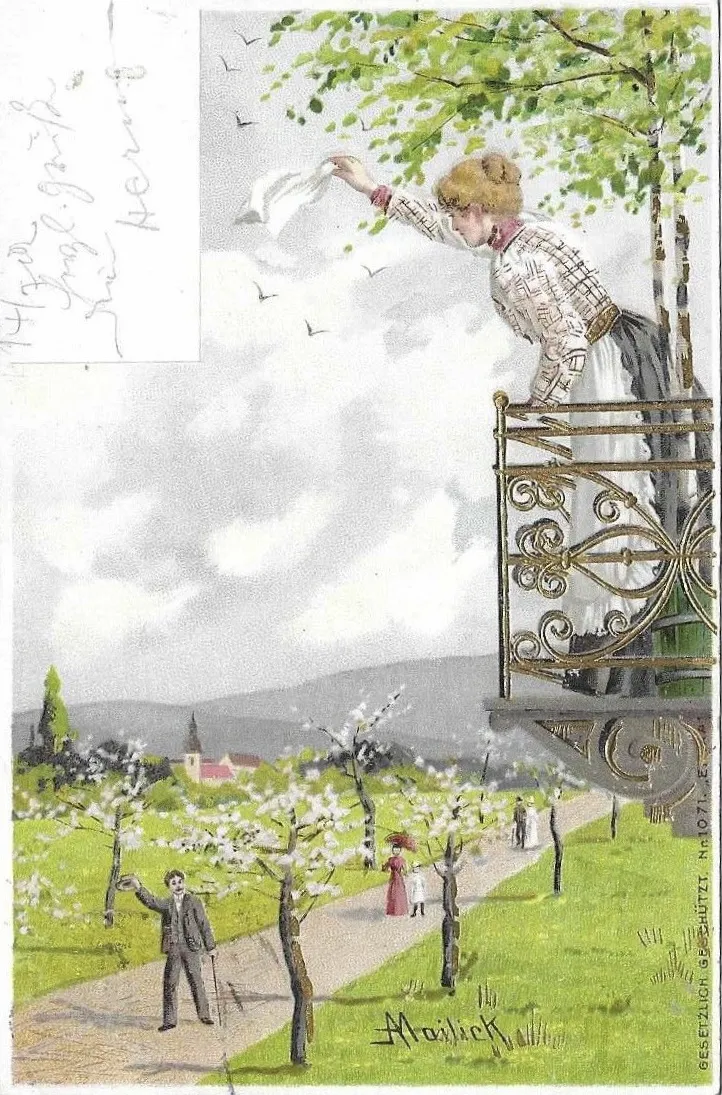
That everyday knowledge is a form of health surveillance that does not feel like surveillance. It feels like neighborhood life. The neighbor who notices you skipped your morning balcony coffee may be the first person to text, “Everything okay?” The one who keeps a spare blood-pressure cuff may save you a pharmacy trip. The one who walks with you to a clinic appointment may make the difference between going and canceling.
The middle ring is not a burden pact
This is where people often get nervous. They hear “neighbor health network” and imagine owing someone a lifetime of favors, or sharing medical details they would rather keep private. That is not the point.
The middle ring works best when it is specific and light. It is not a promise to be available at all hours. It is not a substitute for professional care. It is a small agreement: I will notice. I will ask. I will help with this one practical thing. You can do the same for me when it fits.
Keep the information you share proportional. A neighbor does not need your diagnosis to drive you to an appointment. She needs the date, the time, the clinic entrance, and how long you expect to be. A walking partner does not need your full medical history to meet you at the corner. She needs to know whether you prefer to talk or walk in comfortable silence.
Step one: choose a walking partner, not a best friend
Start with movement. Pick one person in your building or on your block whose schedule overlaps with yours and whose pace feels comfortable. The goal is not a deep friendship. The goal is a repeatable appointment with your own body.
A fifteen-minute loop after dinner, a walk to the market, or a Saturday morning circuit around the complex is enough. What matters is that it is easy to keep. If you are in a US apartment community, the mailroom, the dog park, or the shared laundry room can be a natural place to find your person. In Ataşehir, the courtyard or the corner market often does the same work.
Say it plainly: “I am trying to walk more consistently. Would you want to do a short loop on Tuesdays after work?” A specific invitation is kinder than a vague one. And if she says no, it is not a verdict on you. It is just a schedule mismatch.
Step two: name an appointment buddy
Most women do not need a ride to every appointment. But some appointments are easier with a second person—a procedure that requires someone to drive you home, a specialist visit in an unfamiliar office park, a pharmacy pickup after a long day.
Choose one neighbor and ask for a specific kind of help: “Would you be my appointment buddy for this one visit? I need a ride home and maybe a text when you are on your way.” Then offer the same in return. Keep a backup name. And make it clear that you are not asking her to make medical decisions or sit through the whole appointment if she does not want to.
This kind of practical backup is especially valuable for women who live alone, have partners who travel, or are managing a chronic condition without a large local family network. It turns a logistical problem into a neighborhood arrangement.
Step three: send the low-pressure check-in text
The final piece is communication, but not the heavy kind. A low-pressure check-in text has no obligation attached. It does not demand a reply. It simply says, “I see you.”
Try something like: “Saw your curtains still closed—no need to reply, just checking you are okay.” Or: “I am heading to the pharmacy. Want anything?” Or, after a procedure: “Home yet? No need to write back. I will knock tomorrow.”
You can also create a tiny signal. In Ataşehir, the morning balcony coffee is a natural one. In a US neighborhood, it might be opening the front blinds, bringing in the newspaper, or walking the dog at the usual hour. Agree on a loose version with your neighbor: “If you do not see my blinds open by nine, feel free to text.” That is not dramatic. It is just a small, humane system.
Build the ring before you need it
The mistake many women make is waiting until a crisis to reach out. The middle ring is easier to build during ordinary weeks. One walk. One offer to pick up something at the store. One text that asks nothing in return.
Ataşehir women have long understood this, even if they would not call it a health network. It is the neighbor who knows your mother’s name, the one who saves you a parking spot, the one who notices when the balcony goes quiet. It is not family. It is not a stranger. It is the layer that makes daily life safer.
Start with one walking partner, one appointment buddy, and one low-pressure check-in text. You are not trying to build a village overnight. You are building the middle ring—one small, neighborly thread at a time.