Three Pots Against the Gray: A Balcony Herb Shelf for Ataşehir's Cold Months
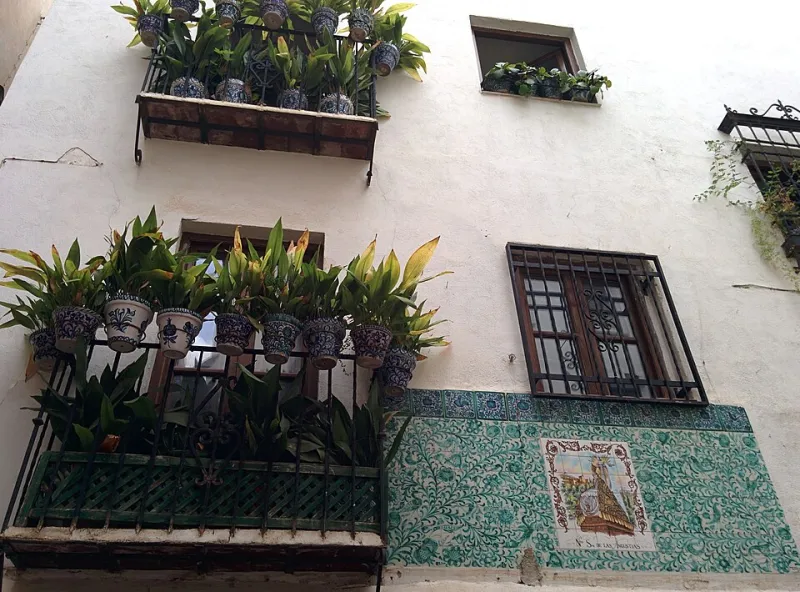
Photo: Leeturtle, CC BY-SA 3.0, via Wikimedia Commons
Winter in Ataşehir has a particular color. The sky turns a soft, flat gray, the evening lights come on earlier, and balconies that were loud with tea glasses in July start collecting things: a folding chair, a mop, a bag of clothespins. But on some of those balconies, something else is happening. Three pots are sitting together on a tray, close to the railing, and they are quietly earning their keep.
This is not a story about turning an apartment balcony into a farm. It is a story about a small, workable shelf of herbs—mint, thyme, and sage—and the neighborhood habits that grow around them. Think of it as a kitchen companion, not a medicine cabinet. The point is comfort, ritual, and a little green in the gray.
Start With the Light You Actually Have
Most Ataşehir balconies fall into one of two camps: morning sun or afternoon sun. Before buying anything, watch your balcony for a day. Where does the light land at 10 a.m.? Where is it at 2 p.m.? Herbs want roughly four to six hours of direct light to stay sturdy, but winter sun is weaker, so placement matters more than pot size.
Use pots that hold about six to eight inches of soil, with drainage holes and saucers. A cheap baking tray underneath catches runoff and keeps neighbors below happy. Fill with a light potting mix rather than garden soil from the park; balcony pots need air around the roots. If you are reading from the United States and gardening by USDA zone, check your local zone before you treat Ataşehir's mild winters as a universal rule. Cold snaps happen here too, and a sudden frost can undo a month of small gains.
Water less than you think. Winter balconies dry slowly, especially on north-facing sides. Push a finger into the top inch of soil. If it is cool and damp, wait. If it is dry, water until it just runs out the bottom, then empty the saucer.
The Three Pots and the Neighbors Behind Them
Mint is the friendly one. It arrives as a cutting in a glass of water, usually from a neighbor who has more than she can use. In one Ataşehir building, a woman named Leyla keeps a mint pot that started from her mother's garden in another district. She cuts it back hard in autumn, and it comes again in spring. Mint is generous, but it is also pushy. Give it its own pot. Do not let it share with thyme or sage, or it will take over the tray.
Thyme is the quiet one. A retired teacher in the same neighborhood keeps a woody little thyme plant that she says came from a pot she bought at the Tuesday market years ago. She does not baby it. Thyme likes lean soil, good drainage, and a little neglect. If it looks tired, trim the tips, not the old woody stems. Its smell is the whole point: rub a leaf between your fingers and you have a small, clean moment in the middle of a gray afternoon.
Sage is the generous aunt. It shows up at plant swaps, usually as a rooted cutting in a yogurt container. Its leaves are soft and dusty green, and it grows fast enough to share. One woman on a balcony near the park keeps a sage plant that has moved apartments twice. She harvests only a few leaves at a time and lets the plant keep its shape. Sage is strong in tea, so a little goes a long way.
A Simple Grow-and-Harvest Plan
Late October and November are good months to settle your pots into their winter spots. If you are starting from nursery seedlings, transplant them gently and keep them out of strong wind for a week. If you are starting from cuttings, root them in water first, then move them to soil once you see white roots.
Harvest sparingly through the first winter. Take only what you will use that day or that week. Morning is a good time, after the dew has dried but before the sun gets strong. Pinch the tips of mint to keep it bushy. Snip thyme and sage above a pair of leaves. Never strip a plant bare and expect it to thank you.
If you have more than you can use, dry small bundles in a paper bag in a cool room, or freeze chopped leaves in ice cube trays. Label the bags. A mystery herb in February is not a gift.
Tea, Steam, and the Limits of a Kitchen Shelf
A simple tea is the easiest place to start. Rinse a few fresh leaves, put them in a cup, and pour hot—not boiling—water over them. Cover the cup for five minutes to keep the oils in. Mint is mild and pleasant. Thyme is stronger. Sage is stronger still, and some people find it bitter if it steeps too long. Start with less than you think you need.
A steam bowl is another old habit. Put a handful of herbs in a heatproof bowl, pour hot water over them, and lean over the bowl with a towel tented over your head. Keep your face far enough away that the steam is warm, not sharp. This is not a task for children, and it is not a cure for a chest cold. It is a comfort measure, and it needs a clear warning: hot water can scald. Use a sturdy bowl on a stable surface, and stop if you feel dizzy.
Here is where the kitchen shelf must stay in the kitchen. Herbs are not a replacement for medical care. If you are pregnant or nursing, take medication, or have a chronic condition, ask a clinician before making herbal tea a daily habit. Some herbs can interact with medicines. Do not use essential oils internally, and do not put undiluted oils on skin. If a fever is high, breathing is difficult, or a cough lingers, call a doctor. A pot of thyme on the balcony is a nice thing. It is not a diagnosis.
What the Shelf Is Really For
A three-pot herb shelf will not make winter short. It will not replace a warm coat or a good neighbor. But it gives you a small task that pays you back: water, pinch, sniff, steep. It gives you something to hand a friend who stops by with a cold, and something to talk about with the woman two floors down who also keeps sage.
In a city of apartments, that is not a small thing. The balcony apothecary is really a balcony habit—three pots, a tray, and a reason to step outside before the day gets away from you.