The Lockbox by the Parcel Shelf: A Quarterly Medicine Cleanout Your Building Can Actually Keep
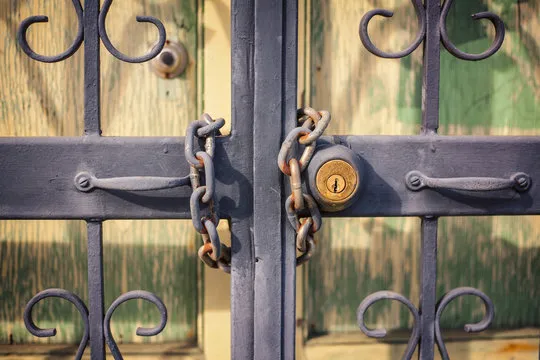
Photo: locked medication drop box in apartment mailroom with sealed pharmacy take-back bag, via t4.ftcdn.net
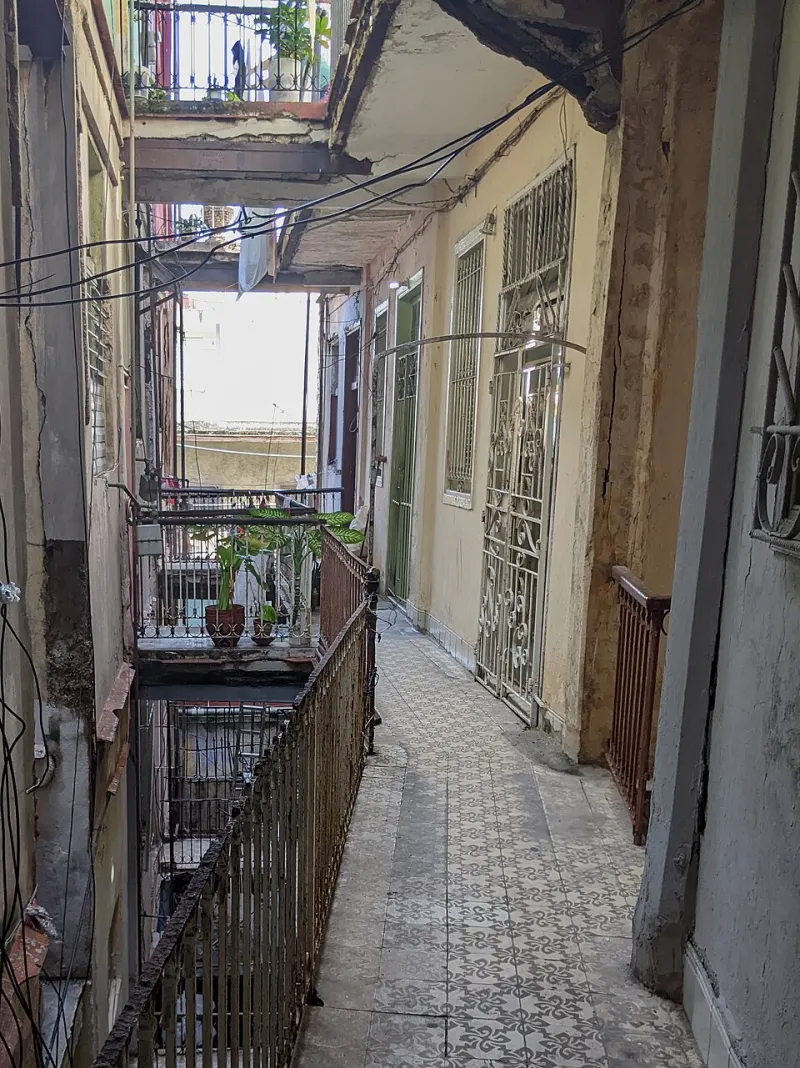
Every apartment building has a small geography of trust. The parcel shelf. The buzzers. The spot where someone leaves a spare key for a neighbor. A quarterly medicine cleanout can fit into that same geography—if it is built as a simple courier routine, not a wellness fair.
The goal is modest: give neighbors an easy, private way to clear expired or unused medications out of kitchen cabinets, then get those items to a participating pharmacy or authorized take-back site on the same day. No sorting. No advice. No one playing pharmacist in the hallway.
Start With a Container, Not a Campaign
The strongest version of this habit is boring on purpose. Ask the building manager to approve one small, locked drop box near the parcel area—visible enough to be convenient, tucked away enough that no one feels watched. Label it plainly: Medicine drop — sealed items only — quarterly collection. Keep the key with one volunteer and the manager. Do not use an open basket, a cardboard box, or anything a child could pop open.
The box should be empty between collection days. That matters. A drop that sits out for weeks becomes a storage problem, a privacy problem, and a temptation for people to leave things that should not be there.
What Goes In, and What Stays Out
Rules vary by pharmacy and by state, so the volunteer should confirm the destination before announcing the date. In general, participating pharmacies and local take-back programs accept expired prescriptions, over-the-counter medicines, vitamins, and pet medications in sealed containers. Some also accept liquids in sealed bags. Many cannot accept sharps, aerosols, thermometers, or medical waste. Controlled substances are the big exception: only authorized collectors should handle them. If the pharmacy says no, the building says no.
This is not a place for loose pills, crushed tablets, or mystery mixtures. Keep medicines in their original packaging when possible. If privacy is a concern, black out the name with a marker, but do not unwrap blister packs or combine items into one bag. Do not flush medicines unless the FDA flush list specifically says to. When in doubt, the pharmacist at the receiving site is the person to ask—not the neighbor holding the tote bag.
The Same-Day Rule
The routine only works if the handoff is same-day. One volunteer takes the sealed items from the lockbox to the participating pharmacy during its posted hours. Use a sturdy tote, keep the box locked until transport, and never leave medications in a car overnight. If the volunteer cannot make the trip that day, postpone the collection. A locked box in a mailroom is a staging point, not a long-term storage unit.
Keep a simple log with the date, the number of bags or containers, and the destination. Do not record names, medication types, or anyone's health details. The log is for building safety, not for curiosity.
Privacy Without Suspicion
The tone of the whole project should be drop and go. No sign-in sheet. No questions at the box. No neighbor asking, What was that for? If someone wants to talk, fine—but the volunteer's job is not to diagnose, counsel, or reassure. A useful script is short: I'm just the courier. The pharmacist can answer that. Then point to the pharmacy counter and move on.
This is especially important in a building where neighbors already share hallways, laundry rooms, and childcare. A medicine drop should reduce awkwardness, not create a new reason for people to explain themselves.
The Volunteer's Ten-Minute Job
One person can coordinate this without turning it into a second job. Confirm the pharmacy's current rules. Pick four dates for the year—one per quarter. Send a short building notice three days ahead. Put up one flyer with the date, the accepted items, and the phrase no questions asked. On collection day, check the box with the manager, seal the items in a transport bag, and make the drop. Then send a two-line thank-you and put the empty box away.
That is the whole system. It works because it asks almost nothing of residents and very little of the volunteer.
When to Pause the Program
Skip a quarter if the pharmacy changes its rules, if the lockbox is damaged, if no one can transport the items that day, or if the building cannot agree on who holds the key. A paused collection is safer than a messy one. The habit is supposed to make the building feel more capable, not more complicated.
For readers who manage the family medicine cabinet—often women, often without anyone calling it caregiving—this is a small piece of community health that fits in a mailroom. It does not require a lecture. It requires a lock, a label, a calendar reminder, and one neighbor willing to drive to the pharmacy.
Ataşehir Kadın's neighborhood lens is simple here: care can be practical. Sometimes the most useful health habit in a building is the one that helps everyone stop storing the past in a kitchen drawer.