The Bench That Doesn’t Ask Why: A Five-Minute Lobby Reset for Ataşehir Neighbors
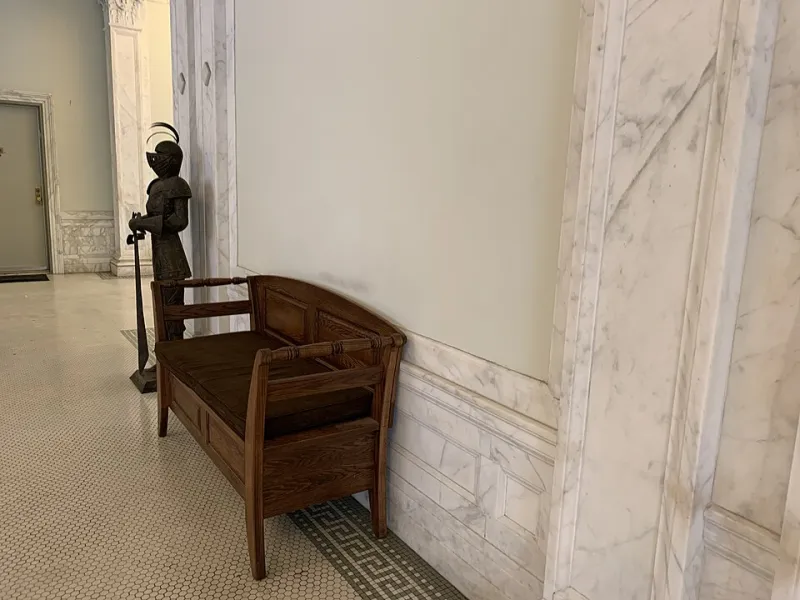
Photo: Deansfa, CC BY-SA 4.0, via Wikimedia Commons
Most apartment lobbies in Ataşehir have a bench, a ledge, or a chair nobody planned for. It sits near the mailboxes, under the fluorescent light, waiting for someone to tie a shoe or set down a grocery bag. But a bench can do more than hold parcels. With a little neighborly intention, it can become a no-questions reset spot for hard days—a place where a woman can sit for five minutes without explaining herself to anyone.
This is not a mental-health treatment plan, and it is not a substitute for therapy or medical care. It is a small civic habit: one seat, one simple signal, and a shared agreement that a neighbor can pause without being interviewed. In a building where everyone knows the elevator schedule and the delivery guy’s name, that kind of privacy can feel surprisingly rare.
Why a Lobby Bench, Not a Conference Room
A lobby bench works because it is already part of the building’s rhythm. You do not need to book it, unlock it, or announce that you are using it. A woman can come down after a panic spike, a grief wave, or a day that has simply become too loud, sit for five minutes, and go back upstairs. The spot is public enough to feel safe and ordinary enough to avoid drama.
The bench also gives neighbors a script. Instead of asking, ‘What’s wrong?’—a question that can feel like a demand—a neighbor can offer presence without prying. That tiny shift matters. Many women in Ataşehir are managing caregiving, work, family expectations, and their own health quietly. They may not want a committee. They may want a place to breathe.
The Setup: One Seat, One Card, One Rule
Start with the bench itself. Make sure it does not block the mailboxes, the fire exit, or the wheelchair turning space. If the bench is hard or unstable, add a simple cushion or replace it with a sturdy chair. Keep the area clean and well lit. A small basket with tissues and a sealed bottle of water is optional; anything that requires refilling or monitoring can become a chore, so keep it simple.
Then add a small card. The card should not carry names, phone numbers, diagnoses, or a long explanation. Keep it to a few words: ‘Five minutes. No need to explain.’ Place it on the bench or tape it neatly beside it. The point is not to advertise a program. The point is to give the bench a shared meaning without turning it into a noticeboard.
Finally, agree on the five-minute rule. If you sit, you get five minutes of quiet. If you pass by, you give five minutes of space. If you are the one checking in, keep it to five minutes unless the person clearly invites more. The rule protects both sides: the sitter does not have to perform, and the neighbor does not have to become a counselor.
The Five-Minute Rule in Real Life
Five minutes is short enough to be doable and long enough to change the nervous system’s tempo. It is also a useful boundary. A woman can sit down, take a few slow breaths, text a friend, cry without an audience, or simply stare at the parcel shelf until the worst of the wave passes. If she is still struggling after five minutes, she can choose to stay or go. The rule is not a timer with a buzzer. It is a gentle agreement that nobody has to stay in the hot seat.
For neighbors, the five-minute rule prevents hovering. You can say, ‘I’m here if you want company,’ and then step away. If the person says nothing, that is not rejection. It is information. If she nods, sit at the far end of the bench and stay quiet. If she asks you to leave, leave kindly. The bench only works if it stays low-pressure.
Neighbor Etiquette: Presence Without an Interrogation
The fastest way to ruin a reset spot is to turn it into a triage desk. Avoid questions like ‘What happened?’ ‘Are you okay?’ or ‘Is it your family again?’ Even a kind question can feel like a spotlight. Try open, low-demand phrases instead: ‘I’m around if you need anything.’ ‘No need to talk.’ ‘I can sit here for a minute.’ Or simply, ‘Take your time.’
Do not take photos, do not post about it, and do not report the person’s business to the building chat. If you are worried, ask permission before involving anyone else: ‘Would you like me to call someone for you?’ If the answer is no, respect it unless there is immediate danger. Also remember that the bench is not only for people you know well. It is for the neighbor who just moved in, the mother who looks exhausted, the woman who has been quiet for weeks.
When a Pause Isn’t Enough
A five-minute reset can be a useful first aid for overwhelm, but it is not designed to handle everything. Pay attention if someone is using the bench every day for weeks, if panic is making it hard to leave home, if grief is blocking sleep and meals, or if someone talks about being a burden or wanting to disappear. Those are signals to move from quiet presence to a real check-in.
A real check-in sounds like: ‘I’ve noticed you’ve been having a hard time. Would you like to talk, or would you like help finding someone who can?’ From there, suggest a primary care appointment, a licensed therapist, or a community mental health center. In the US, the 988 Suicide & Crisis Lifeline is available by call or text. If someone is in immediate danger, call emergency services. In Ataşehir, a trusted family health center or clinician is a good first stop.
The bench by the mailboxes will not solve the bigger issues. It will not fix housing, caregiving loads, or the price of groceries. But it can do one modest thing: it can make a hard day less lonely and less public. In a neighborhood of shared walls and shared stairwells, that is not a small thing.